Seattle's Trusted Kitchen Design Experts

Kitchen design is personal. Unlock your kitchen’s potential with expert design to craft an efficient, durable, and beautiful space specific to your needs. Let’s explore the possibilities together. Contact us for a free consultation today.

Experience

Over 20 years of experience shaping solutions that balance aesthetics and function.

Design

Focused on creating healthy, sustainable spaces that respond to light, air, and context.

Expertise

Expert in codes, zoning, and permits across more than 22 jurisdictions in Washington State.

Support

Support from the first meeting through design, permitting, and construction coordination

Why kitchen design is personal

Every kitchen tells a storyof the people who use it, the lives lived within it. You might love to cook, host friends, or simply need a space that runs smoothly, without hassle. A well-designed kitchen supports your daily rhythms. We’ve worked with home chefs, large families, and clients with distinct cultural and religious needsfrom Kosher layouts to scullery kitchens designed for frequent frying. No two kitchens should be alikebecause no two lives are the same.

Kitchen remodel - Start with how you cook

Start with how you cook

What you cook and how often matters more than trends.
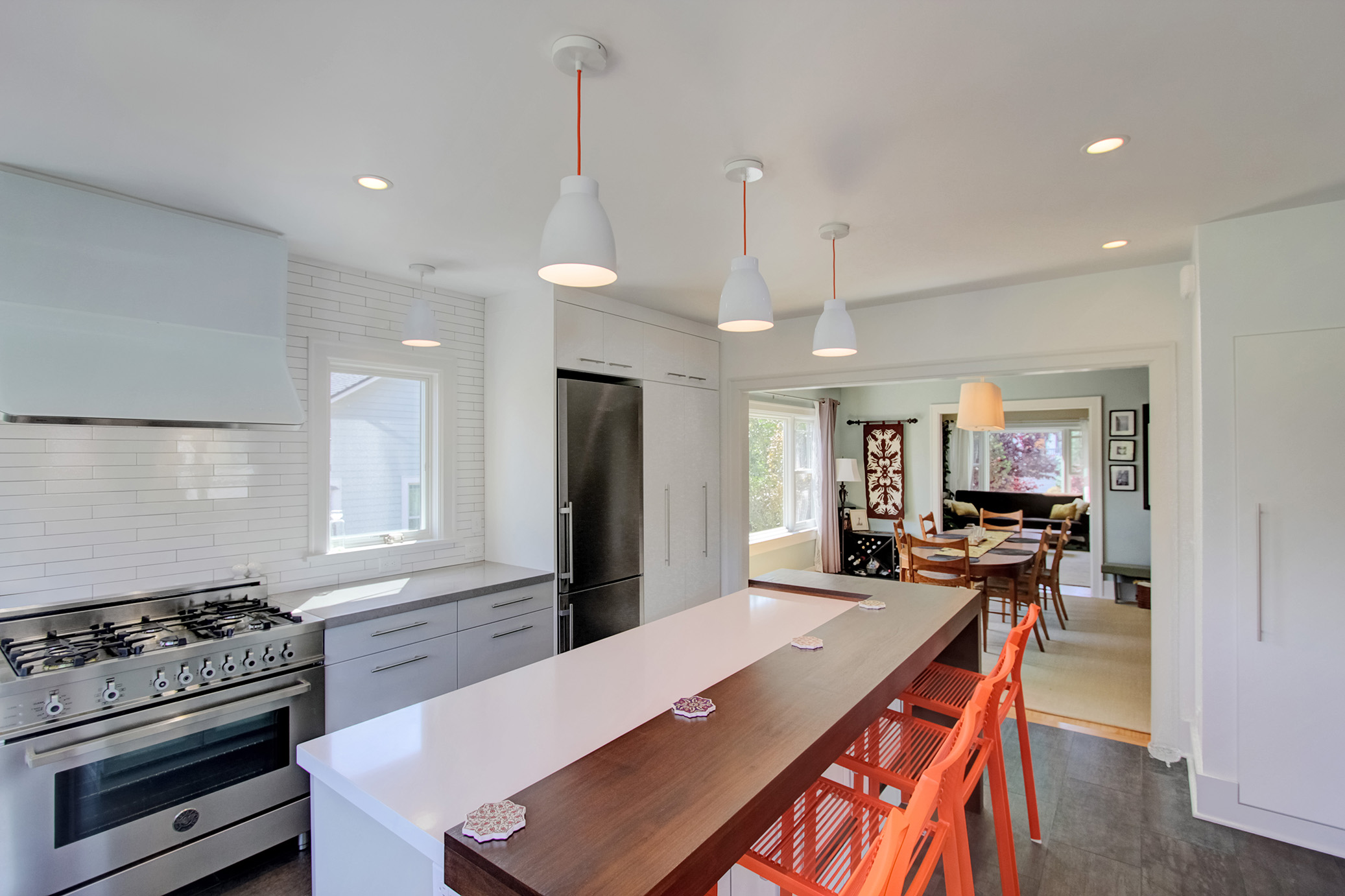
In restaurants, a poor layout quickly reveals itself—and becomes exhausting to work with. The same is true at home. Consider how food flows through your kitchen: from fridge or pantry, to prep area, to stove or oven. Whether you chop near the cooktop or across from it, the layout should minimize unnecessary steps and keep essentials close at hand. Even small choices—like microwave placement or sink style—can have a big impact on comfort and workflow
Kitchen design - Work triangle

The work triangle

The sink, fridge, and stove need the right relationship.
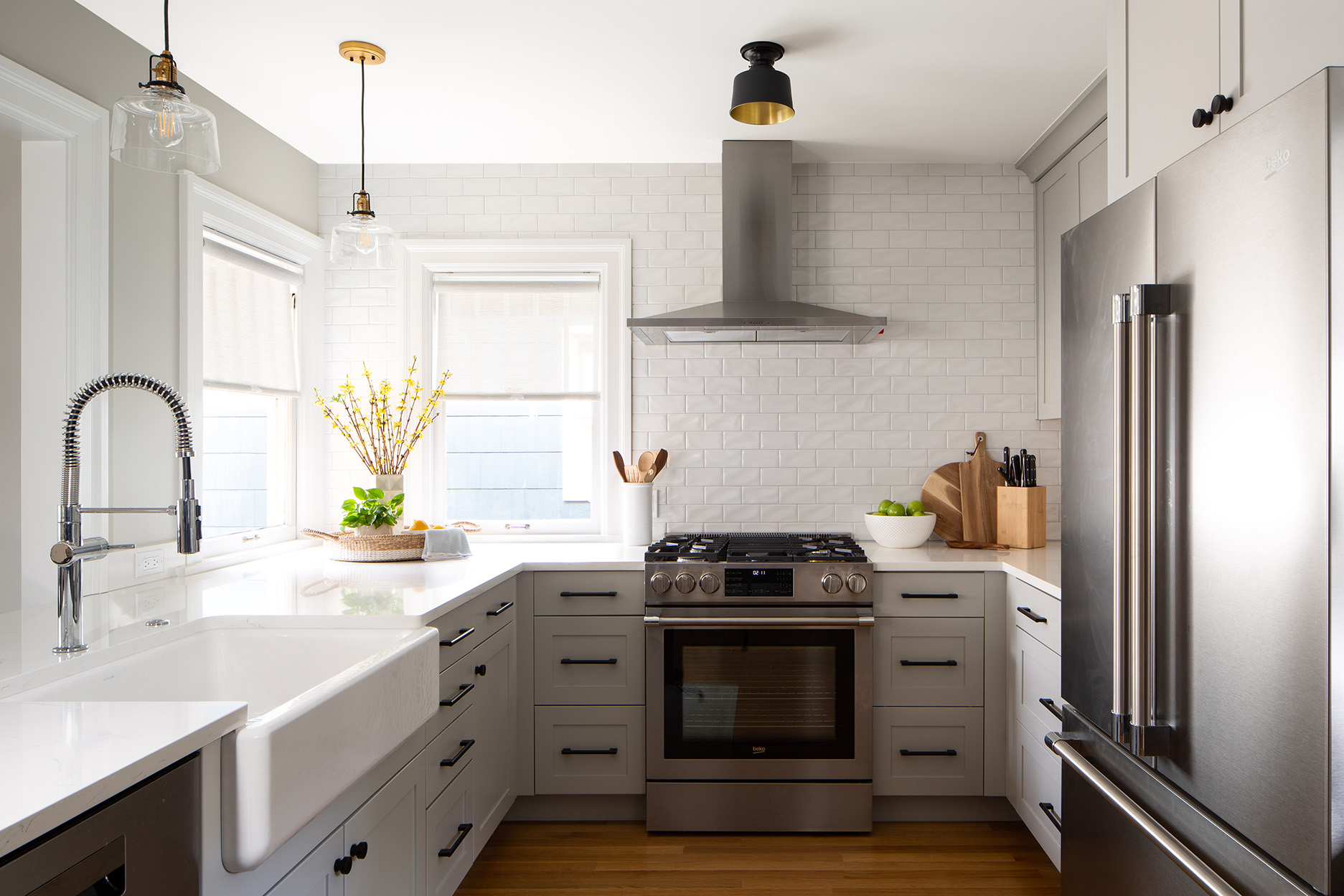
The classic “work triangle” minimizes movement between your fridge, sink, and cooktop—an enduring concept for a reason. But in practice, every cook is different. You might prefer a direct line between your stove and prep sink or need extra room for multiple cooks. The key is designing for the way you work—not just what the internet says. And don’t overlook the small things: every major countertop should have quick access to a trash bin or sink to keep cleanup effortless.
Kitchen design - Plan for appliances

Plan for appliances

Expect placement to evolve with function and aesthetics.
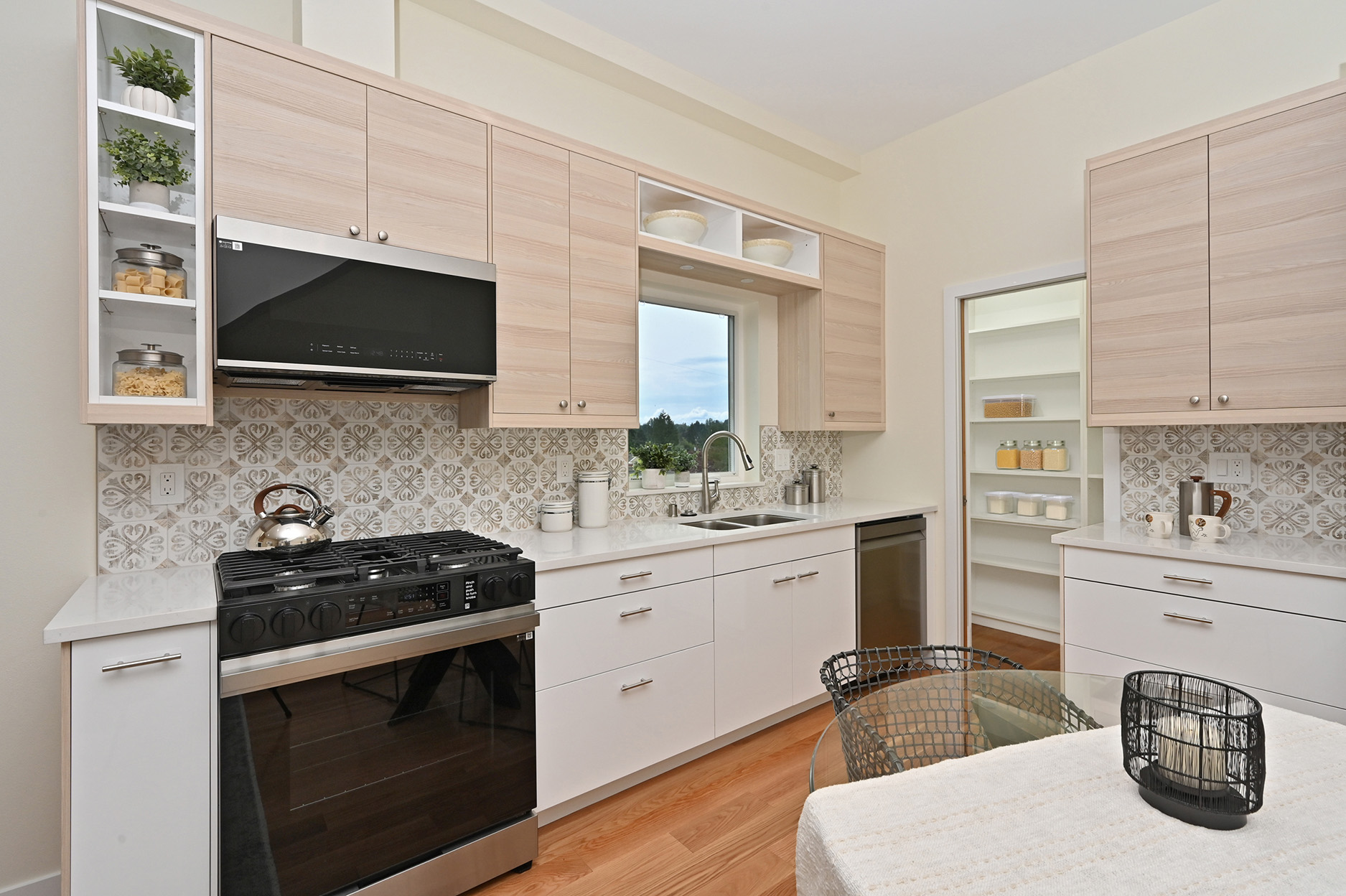
Most people start with appliances, but as the design evolves, better placements often reveal themselves. That microwave you pictured in an upper cabinet? It might not work well—visually or functionally. A microwave drawer could be a smarter choice, offering easier access and cleaner lines.

If you’re planning on two dishwashers or two refrigerators, think through daily use. Where do groceries go? Which fridge handles what? Without clear habits or zones, you’ll find yourself checking both every time. French door models are ideal when there’s limited space to swing doors open. Panel-ready appliances offer a seamless look, but may be less durable over time (especially dishwashers).

Planning for two ovens? Consider how they’ll actually be used. Installing one beneath the cooktop can simplify ventilation. A wall oven stacked with a microwave and warming drawer form a compact, efficient tower. Just make sure the oven you use most often isn’t placed too low—you’ll want it within easy reach for everyday cooking. Some manufacturers offer side swinging oven doors for even easier access.

Walk-in pantries offer more storage options than upper cabinets.

Make space for storage

Pantries beat cabinets for flexibility.
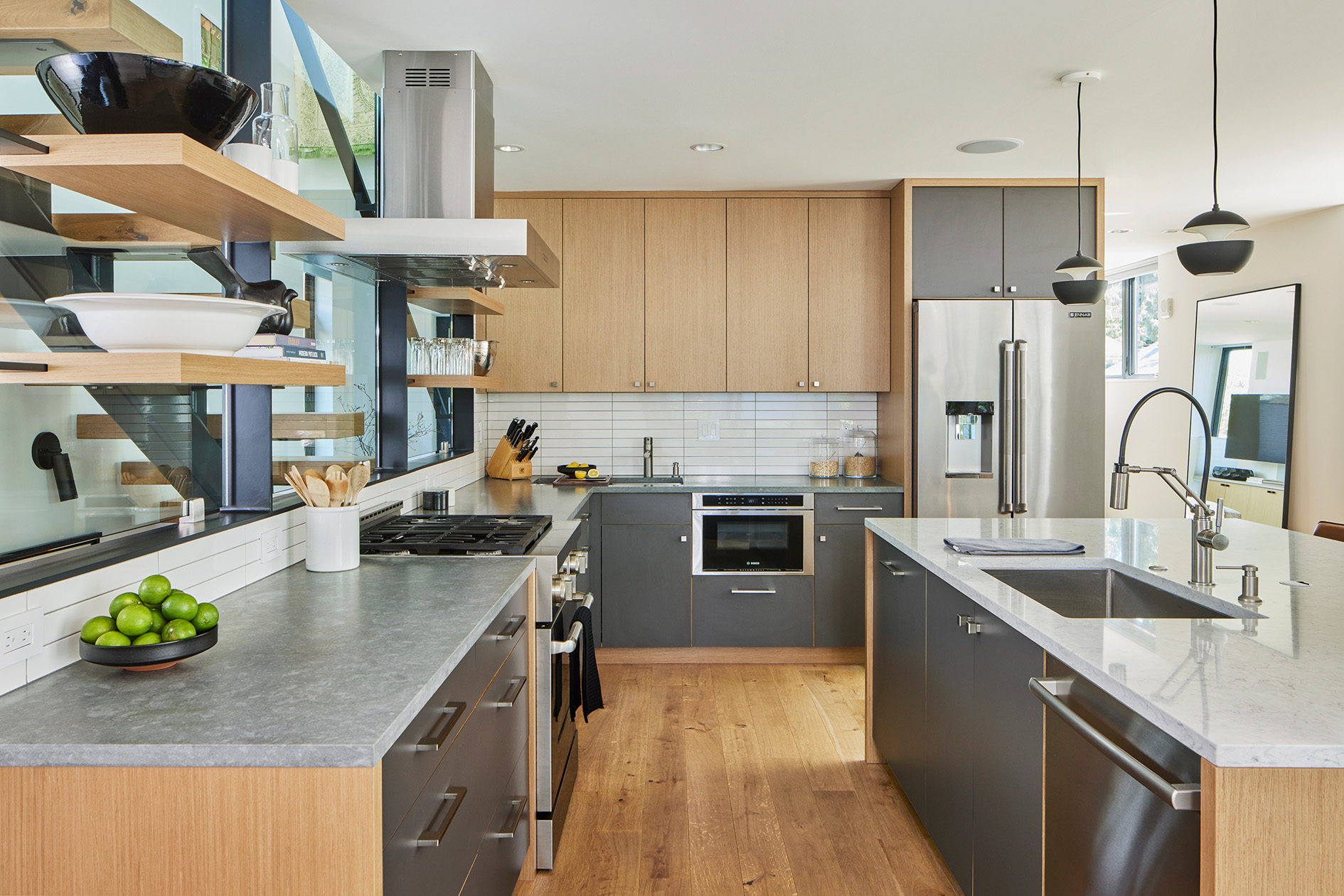
Storage is one of the biggest challenges in kitchen design. If space allows, consider adding a walk-in pantry or deep cabinet closet. A well-organized pantry can replace multiple upper cabinets and offer far more versatility.

If you’re reducing upper cabinets to open up views or let in light, be sure to reallocate that storage below. Deep drawers can hold dishes, pots, and pantry items efficiently. You can also shift tall elements—like refrigerators or wall ovens—into an adjacent space to free up the main space.

Kitchen design - Think beyond one sink

Think beyond one sink

A prep sink changes everything.
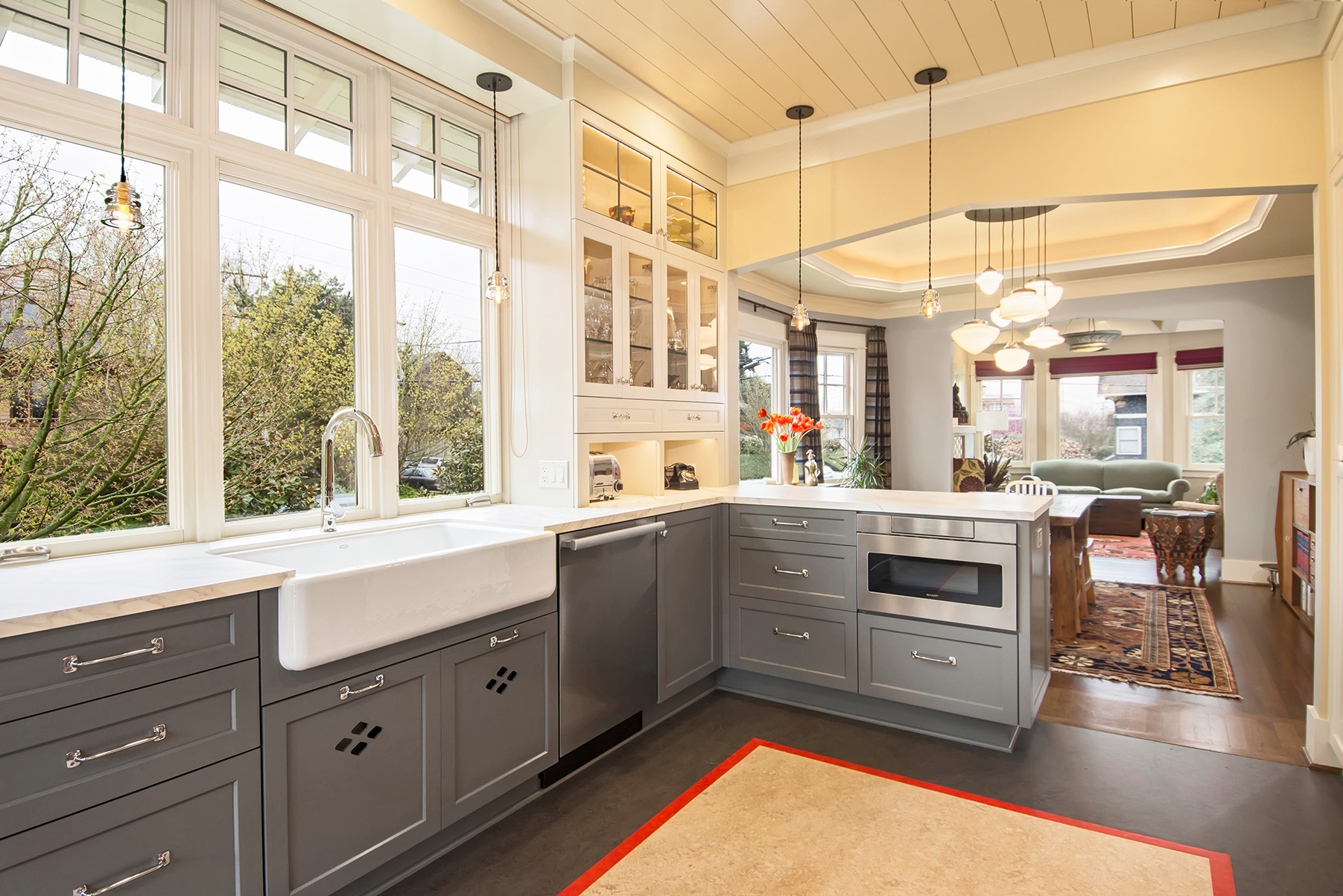
If your kitchen has the space, a dedicated prep sink can make cooking more fluid—especially when multiple people are involved. In smaller kitchens, a single large sink is often more practical than a split bowl. Just keep depth in mind: while a deeper sink hides dirty dishes, it can be uncomfortable over long stretches. We generally recommend undermount sinks for easier cleanup, but keep in mind they require solid surface counters like stone or quartz.

Kitchen design - Plan for clean-up

Plan for clean-up

Plan trash, recycling, and compost early.
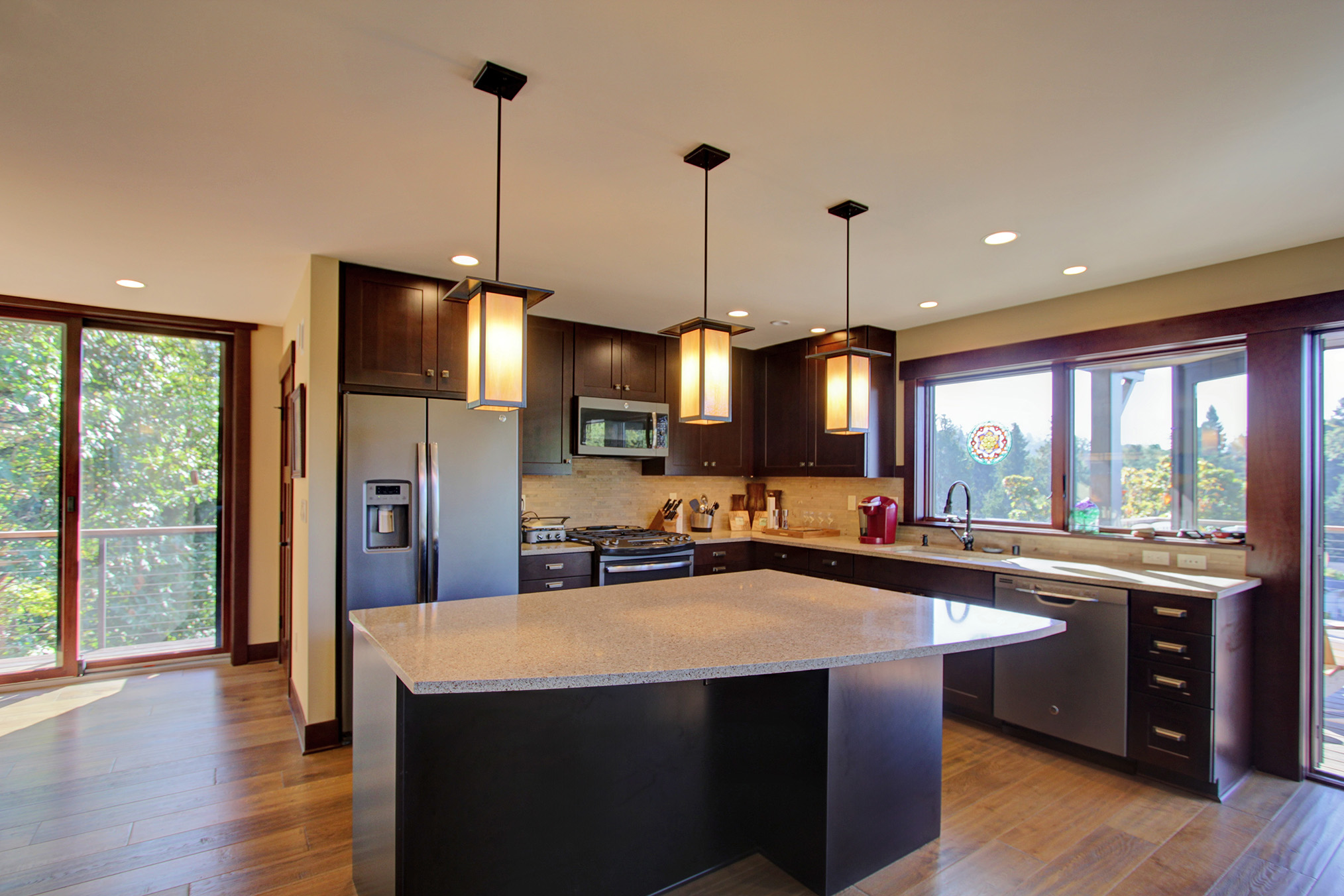
Waste bins are often an afterthought, but they’re essential to good workflow—especially during prep and cleanup. Plan for pull-out trash and recycling drawers near sinks or primary work zones. And if you’re in an area that composts, be sure to include a compost bin. Early planning means smoother routines and a cleaner, more functional kitchen.

Kitchen design - Light every task

Light every task

You can’t cook in the dark.
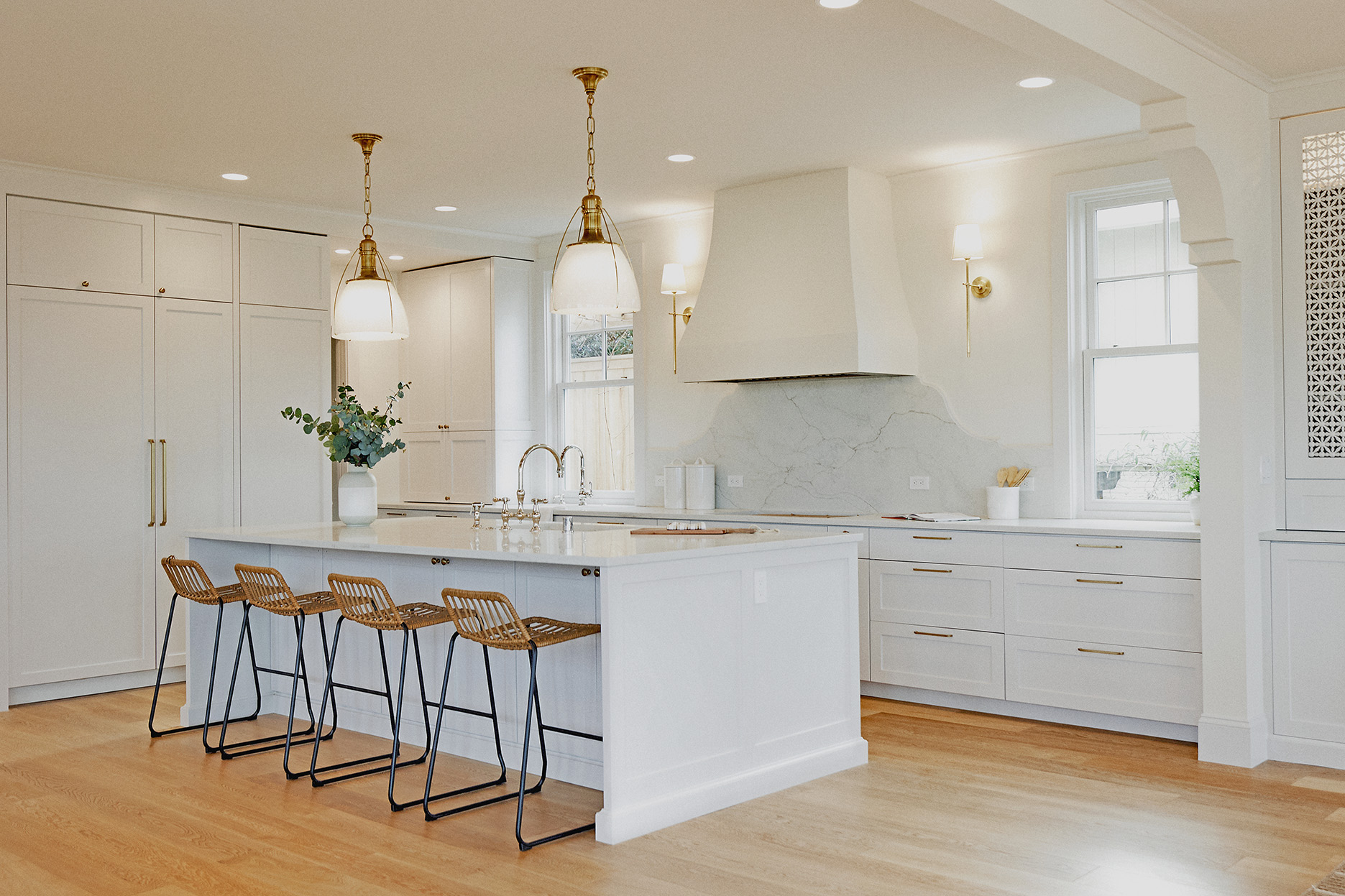
Good kitchen lighting is layered. Combine recessed overhead fixtures, undercabinet task lighting, and decorative pendants over islands and peninsulas. Don’t rely on just one type—task lighting at counters is especially important. If pendants are your main source over a workspace, ensure they provide sufficient output. Some stylish fixtures fall short on brightness, so supplement as needed—or opt for a fixture that balances form and function.

Thanks to LED strip lighting, illumination can now reach areas that were once difficult to light. Toekick lighting, integrated lighting below floating shelves, and even within an island’s knee space can add subtle drama—and serve as helpful nightlights in the evening.

Kitchen design - Ventilation matters

Ventilation matters

Downdraft systems usually aren’t enough.
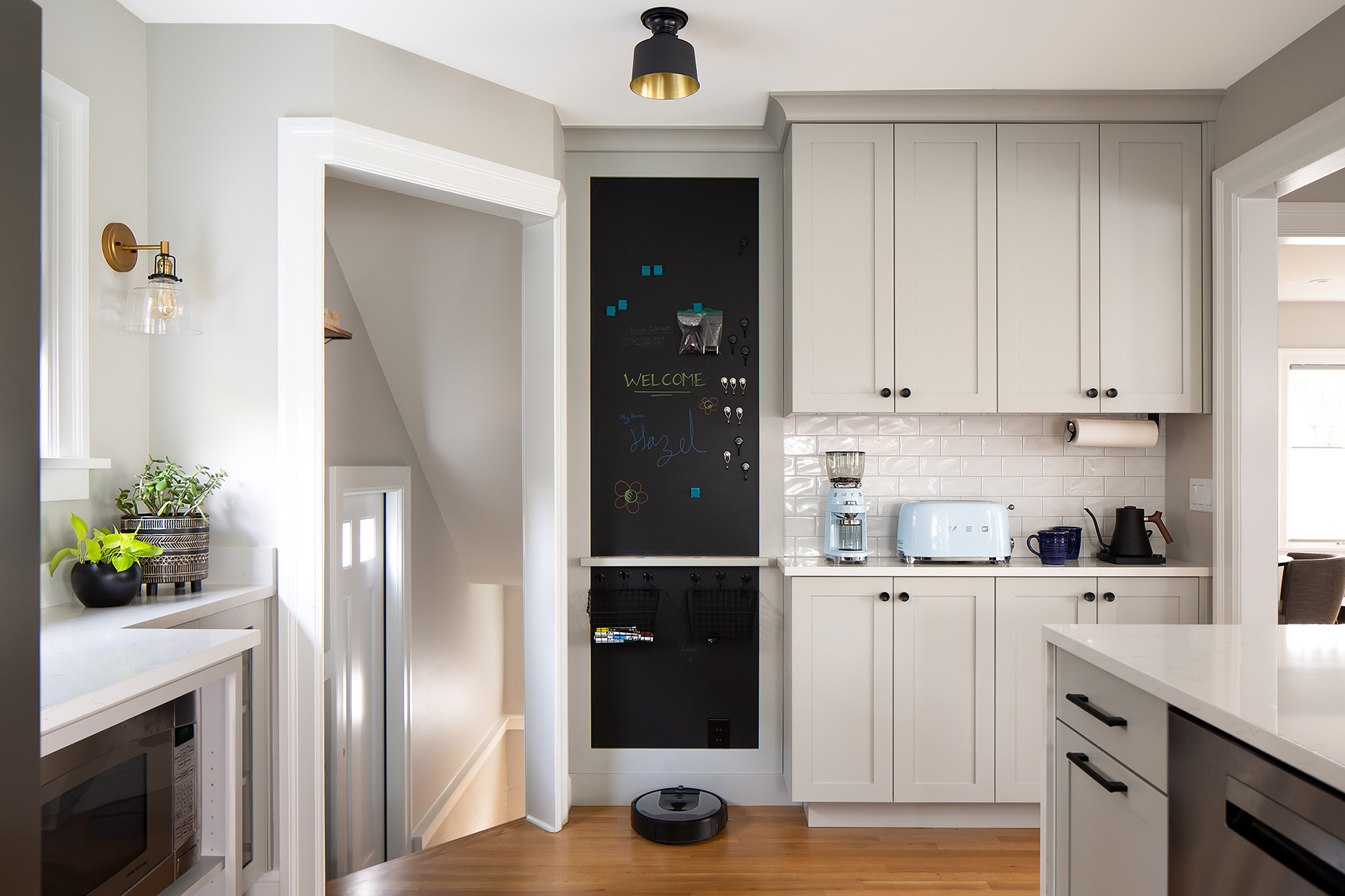
If you’re serious about cooking—especially with oils or spices that produce smoke or strong aromas—effective ventilation is a must. Wall or ceiling-mounted hoods that vent to the outside remain the gold standard. Downdrafts rarely perform as well and are best avoided.

For frequent frying, as in many Chinese or South Asian kitchens, a scullery can help contain smells and simplify cleanup.

Hood height affects performance: lower is better—but it can also be a head banger. Manufacturers often recommend 24″–30″ above the cooktop, but many homeowners prefer 36″ to keep it out of the way. For optimal performance, mount the range hood closer to the cooking surface and choose one that is 6″ wider than the cooking surface.

In open-plan kitchens, noise can be an issue. Consider external or in-line blowers to reduce sound, or select a hood with a low sone rating for quieter operation.

Kitchen design - Organize for daily flow

Organize for daily flow

Zones help large or busy kitchens work better.
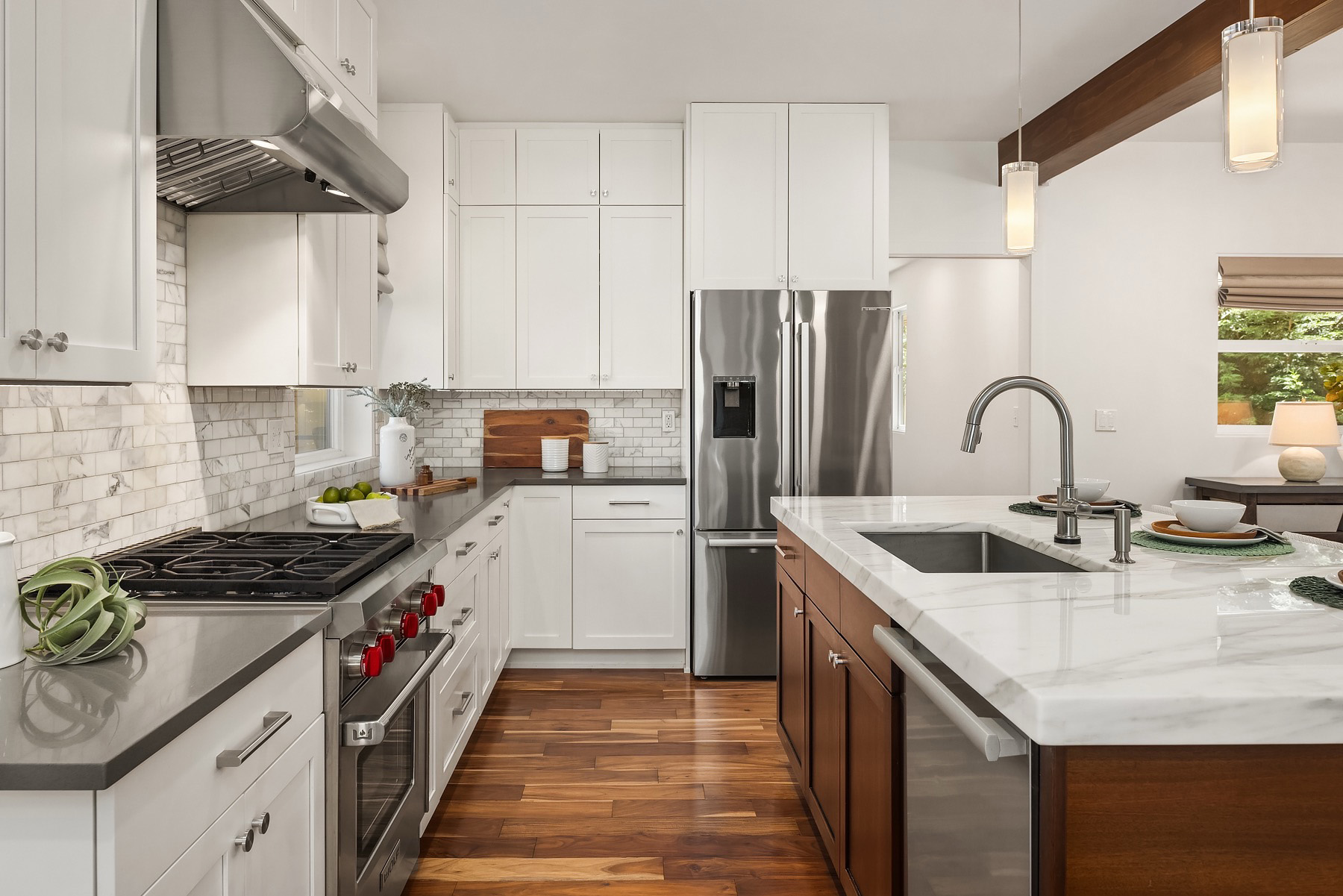
Large kitchens can look impressive—but if key elements are too far apart, they may feel inefficient. That’s where decentralized zones come in. A dedicated baking area with its own tools and prep space, a breakfast nook for coffee or cereal, or separate refrigeration for snacks and meal prep can streamline routines. These zones reduce overlap, prevent clutter, and let multiple people use the kitchen comfortably at the same time.

Think, too, about how things enter the space. Where do you come in with groceries? Can you drop bags directly onto a counter near the fridge or pantry? Small, intentional decisions like these make daily life smoother.

And since the kitchen often anchors the home, consider adding a “command center” near the kitchen—a tidy landing spot for a family’s calendar, chargers, or incoming mail. These zones aren’t just about convenience—they shape your kitchen around the way you live.

Kitchen design - Choose durable materials

Choose durable materials

Moisture, heat, and time will test everything.
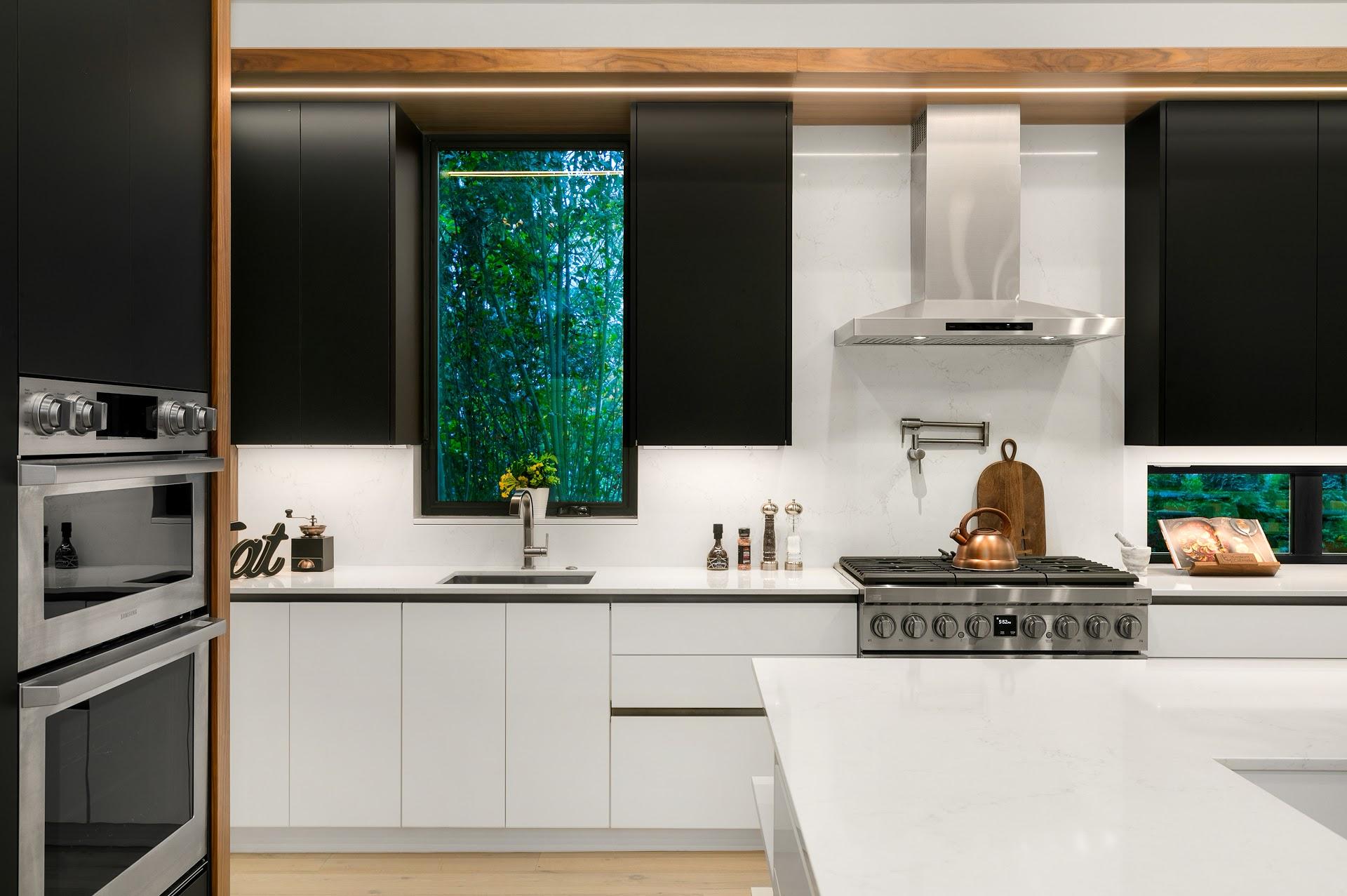
Material choices impact both the look and long-term performance of your kitchen. Around wet zones like sinks and dishwashers, solid surface countertops and full-height backsplashes generally hold up better a low backsplash. If you opt for tile, epoxy grout can be a spart choice—it’s more sanitary and far more durable than traditional grout.

Moisture management is key: keep steam and drips away from cabinet edges, where repeated exposure can cause damage. Prioritizing wear-resistant materials helps ensure your kitchen remains both functional and beautiful for years to come.

Kitchen design - Countertops come first

Countertops come first

Durability, stain resistance, and style all come into play.
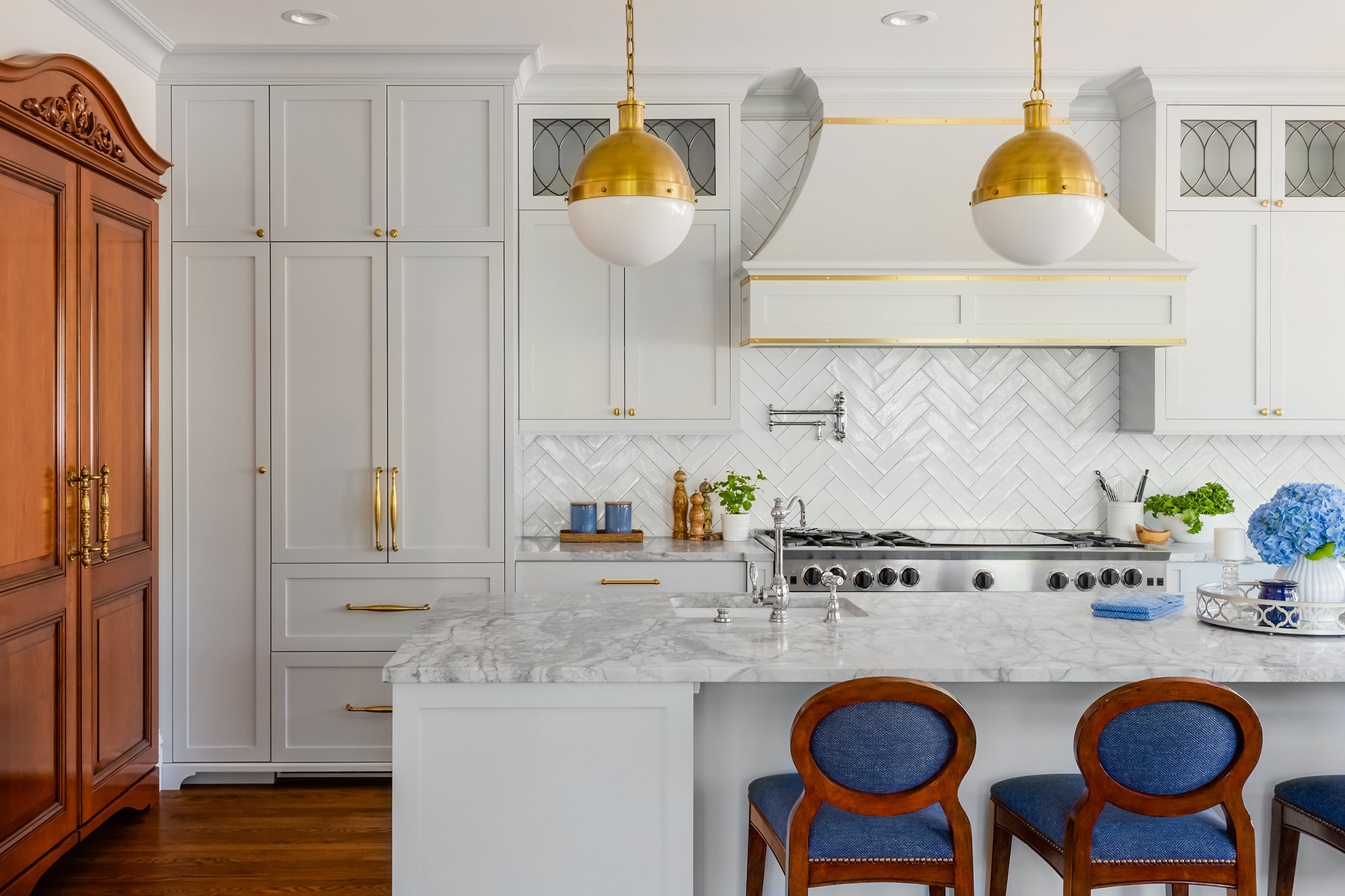
Countertops do more than define the look of your kitchen—they shape how it functions over time. For clients prioritizing durability and easy maintenance, solid surface materials like Corian offer a seamless appearance with integrated sinks and simple upkeep. Quartz is another versatile option: nonporous, consistent, and available in patterns that mimic natural stone without the upkeep. Porcelain can replicate the look of marble exactly without the risk of staining.

For those drawn to the unique character of natural materials, granite and marble remain timeless choices. Each slab is distinct, but these stones vary in porosity, care needs, and price. If you’re exploring more unconventional options like concrete, recycled composites, or glass, we recommend viewing installed examples that have been in use for several years. A well-used surface reveals more than any showroom sample can.

Kitchen design - Balance cabinet style and function

Balance cabinet style + function

Style sets the tone, and durability keeps it looking good.
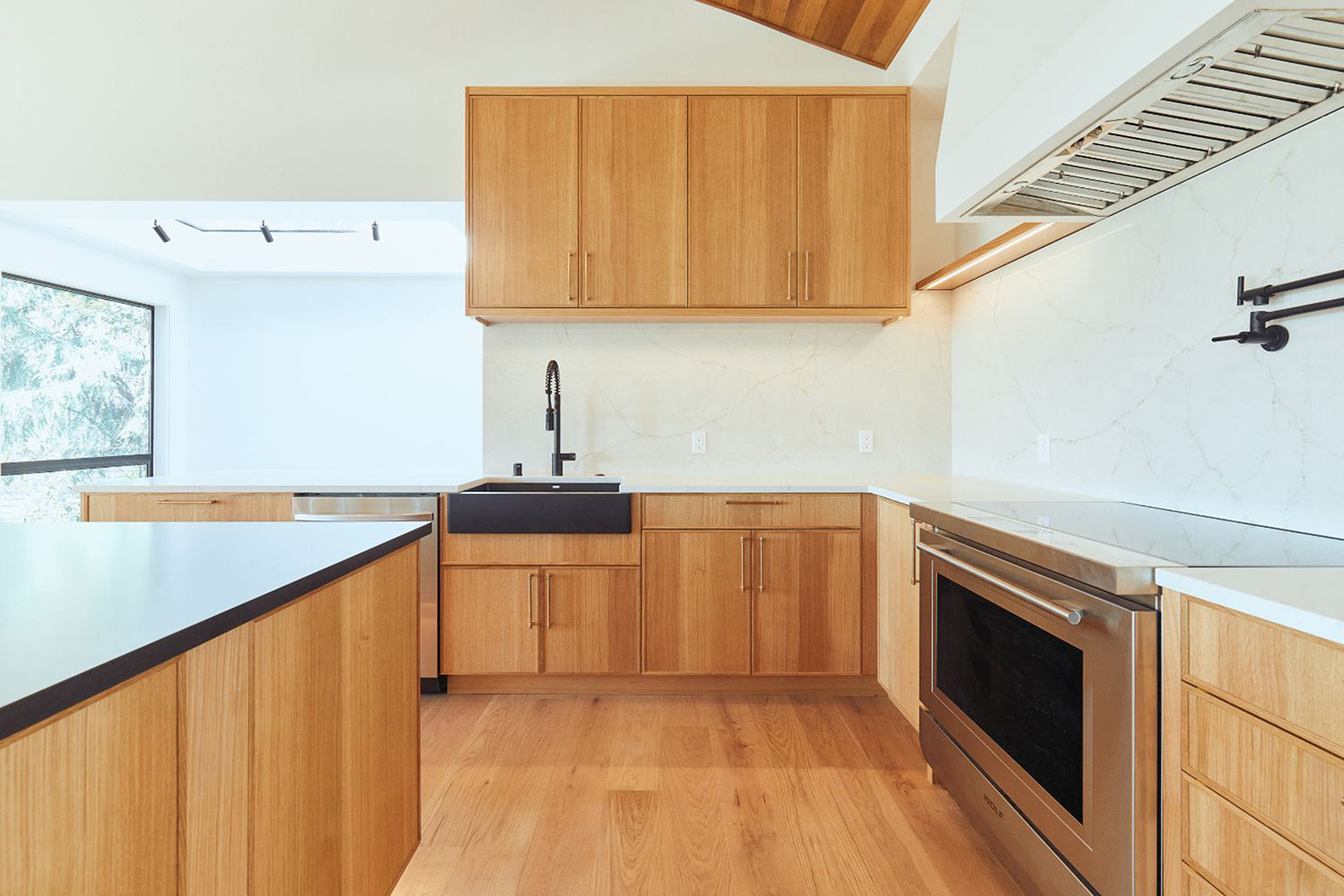
Cabinets are one of the most defining elements in any kitchen—and a major influence on the overall tone. For a cohesive look, you can match the cabinet door style to your home’s interior doors (shaker interior doors paired with a shaker cabinet door, for example), or create contrast with features like a darker island to serve as a visual anchor.

Style choices also affect upkeep. In homes with children or pets, stained wood tends to wear more gracefully than painted finishes and is easier to touch up. Handle-free cabinets provide a clean, modern aesthetic but are more prone to visible wear where hands frequently contact the surface. Painted cabinets can highlight smudges and dings, especially on flat finishes. For a lower-maintenance approach, consider mixing materials or matching perimeter cabinets to wall and ceiling colors to open up the space.

Kitchen design - Flooring tips

Let the floor connect

Make it work, and look good too.
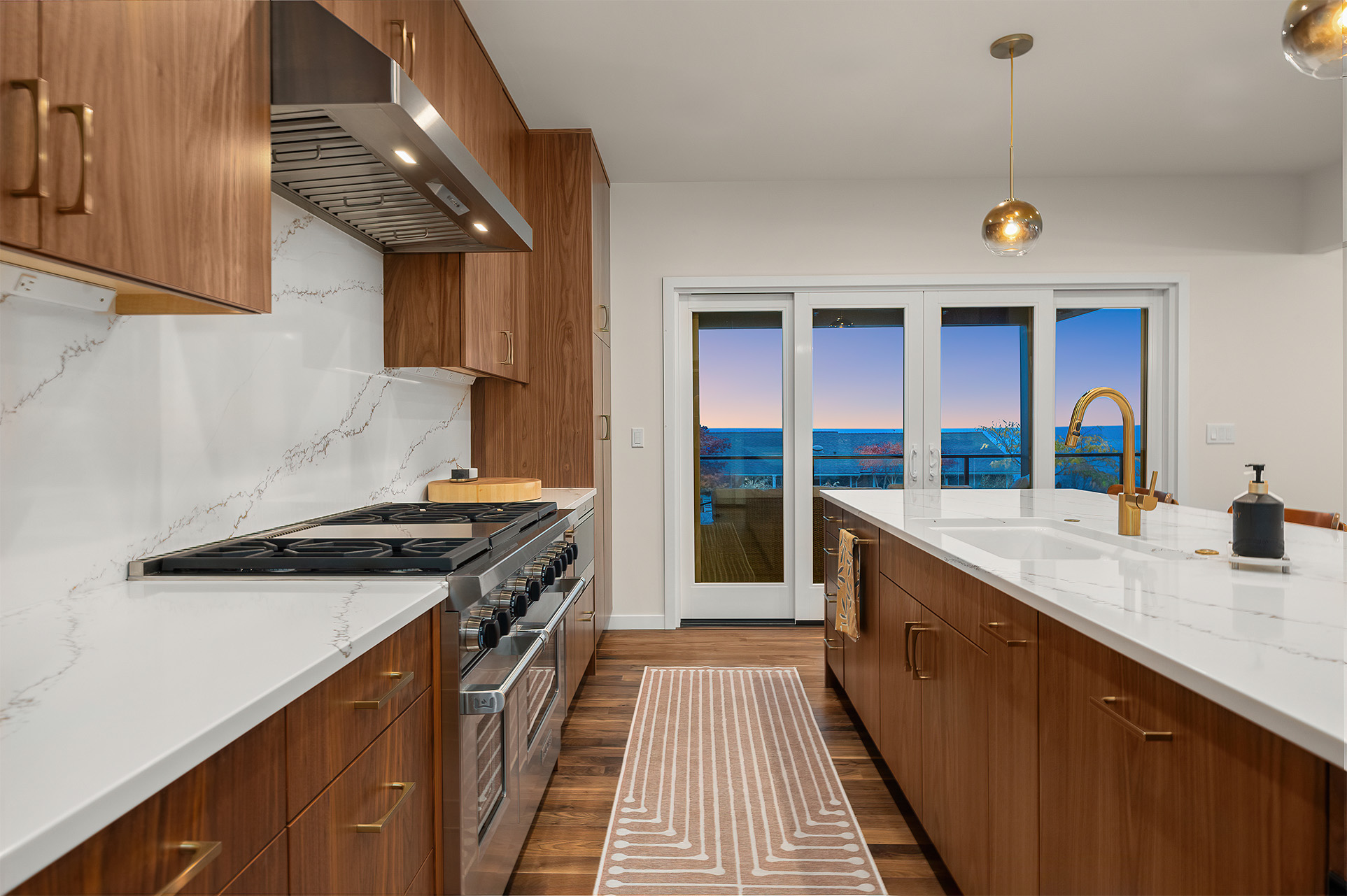
If your home already has wood flooring in adjacent rooms, extending it into the kitchen can create a seamless visual flow—especially in smaller spaces, where continuous flooring helps the room feel larger. When wood isn’t practical, choose a tile in a tone that complements nearby materials. Laying tile on a diagonal can visually expand the space by drawing the eye outward to the corners.

In compact kitchens, sticking to a cohesive palette across surfaces keeps things feeling open and airy. Rather than relying on contrast, add interest through texture, tone variation, or subtle patterns. For a softer, more sustainable option, consider cork or Marmoleum—both are resilient underfoot, eco-friendly, and hold up well to spills, heat, and daily foot traffic

Kitchen design - Backsplash ties it all

Backsplash ties it all

It’s often the last decision, and the most visible.
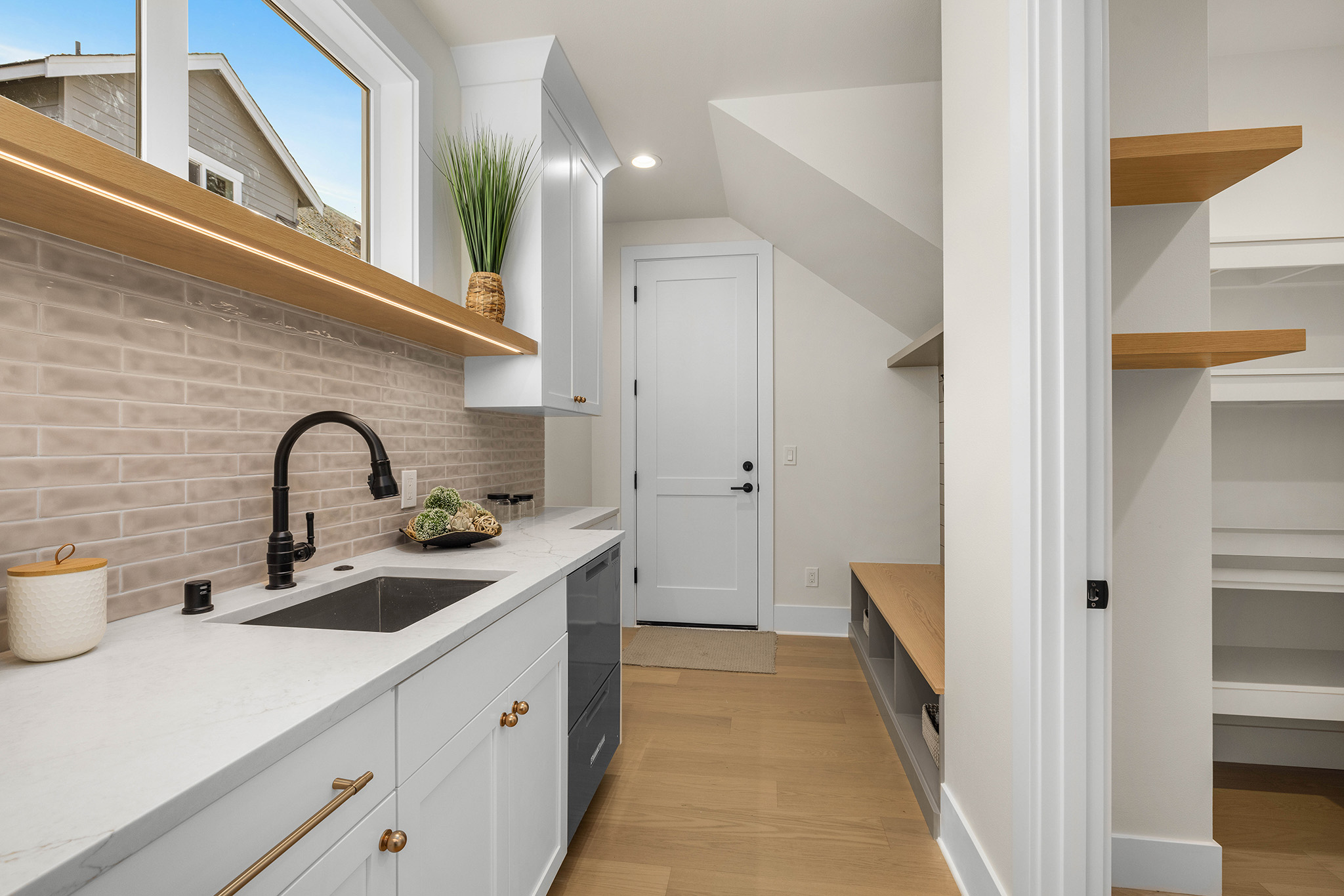
One of the cleanest, most elegant backsplash options is to extend the countertop material up the wall. Running the same slab creates continuity, minimizes seams, and highlights the natural beauty of stone, quartz, or solid surface materials. It’s a refined look that’s both low-maintenance and visually striking.

If you’re looking for contrast or character, tile offers endless variation—from classic subway to glass mosaics to intricate ceramics. Just remember that grout lines require maintenance, so opt for epoxy grout where possible. Stainless steel backsplashes pair well with modern appliances and are especially durable near ranges. For more traditional or textural warmth, beadboard or sealed wood can work well in certain areas, but not around moisture or heat.

Kitchen design - Plan for kitchen remodel timeline

Know your timeline

Kitchen projects can take a while, plan accordingly.

Kitchens are often part of a larger renovation, so timelines can vary depending on the overall scope. A smaller remodel with minimal layout changes typically requires 4 weeks for planning and permits, followed by about 8 weeks of construction. Larger projects—especially those that relocate walls or appliances—may take 3 to 6 months to plan and permit, with construction lasting another 3 to 5 months.

Ask your contractor about setting up a temporary kitchen, or be prepared to make alternate dining arrangements while work is underway.

Every kitchen design is unique. Ready to turn ideas into a kitchen that fits your life? Book a free consultation or call 206-204-0490 to discuss your project.

Design powered by advanced technology

Technology - 3D Point Cloud Scanning

3D Point Cloud Scanning

Capturing your existing structure conditions with accurate data so we can create better models in BIM to serve your vision. And help you design for the master plan for your future. Seeing a bigger picture.
The BIM Advantage for Architectural Design

Building Information Model (BIM)

We use Revit, a Building Information Modeling (BIM) software that is beneficial for a range of projects, from single-family residences and partial remodels to larger commercial and facility developments.
Technology - Visualization

Visualization

Since a BIM workflow operates in 3D throughout our design process, we can add detail directly to our schematic designs and provide 3D visualizations that help you better understand how the proposed spaces will feel.
Technology - Lighting Analysis

Lighting Analysis

The BIM model allows us to integrate the precise location of your project, enabling us to address site-specific solar questions and accurately determine the sun’s position relative to your modeled project at any given time and date. As a result, you can see how light will interact with your project before construction begins!

We’ll help you figure out howand whowill build it

Be your own contractor

For hands-on homeowners comfortable acting as their own general contractor, managing construction and hiring subcontractors directly.
  • You get the lowest construction cost
  • You avoid markup and overhead
  • You have full control over subcontractors
UBuildIt

Partner with UBuildIt

For homeowners who want to stay involved, get expert support, and potentially save up to 30%.

  • UBuildIt manages pricing and schedule
  • You hire subcontractors directly
  • You pay UBuildIt a fixed consulting fee

Hire a general contractor

For owners who’d rather hand things off to a pro who can keep the project moving and handle the details.

  • We help match you with the right contractor
  • Contractors provide rough pricing estimates (ROM)
  • We help with selection and planning

How to estimate construction cost + design fees

— this and many other topics all covered in our Project Planner

Trust + Satisfaction

See what it’s like working with us.